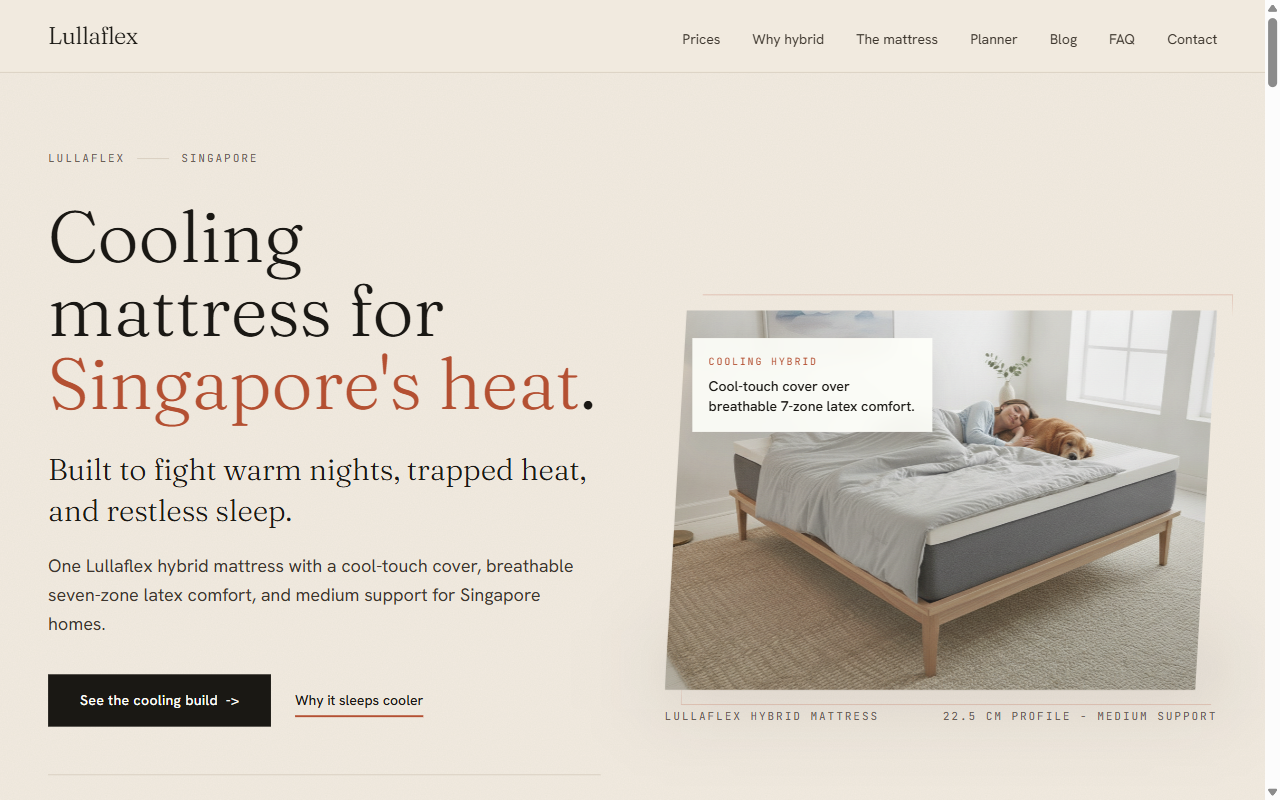
Technical SEO for a new website: what it did for Lullaflex
Lullaflex launched on a new domain in late May 2026. Technical SEO got its pages into Google, and a free bedroom planner earned the attention. Monthly Google clicks grew from 1 in June to 64 in September.
In short
- Lullaflex launched on a new domain in late May 2026. Monthly Google clicks grew from 1 in June to 64 in September, and Google showed its pages 20.8 thousand times in 3 months.
- Technical SEO made the site eligible to rank. Links, mentions, demand and trust are earned separately.
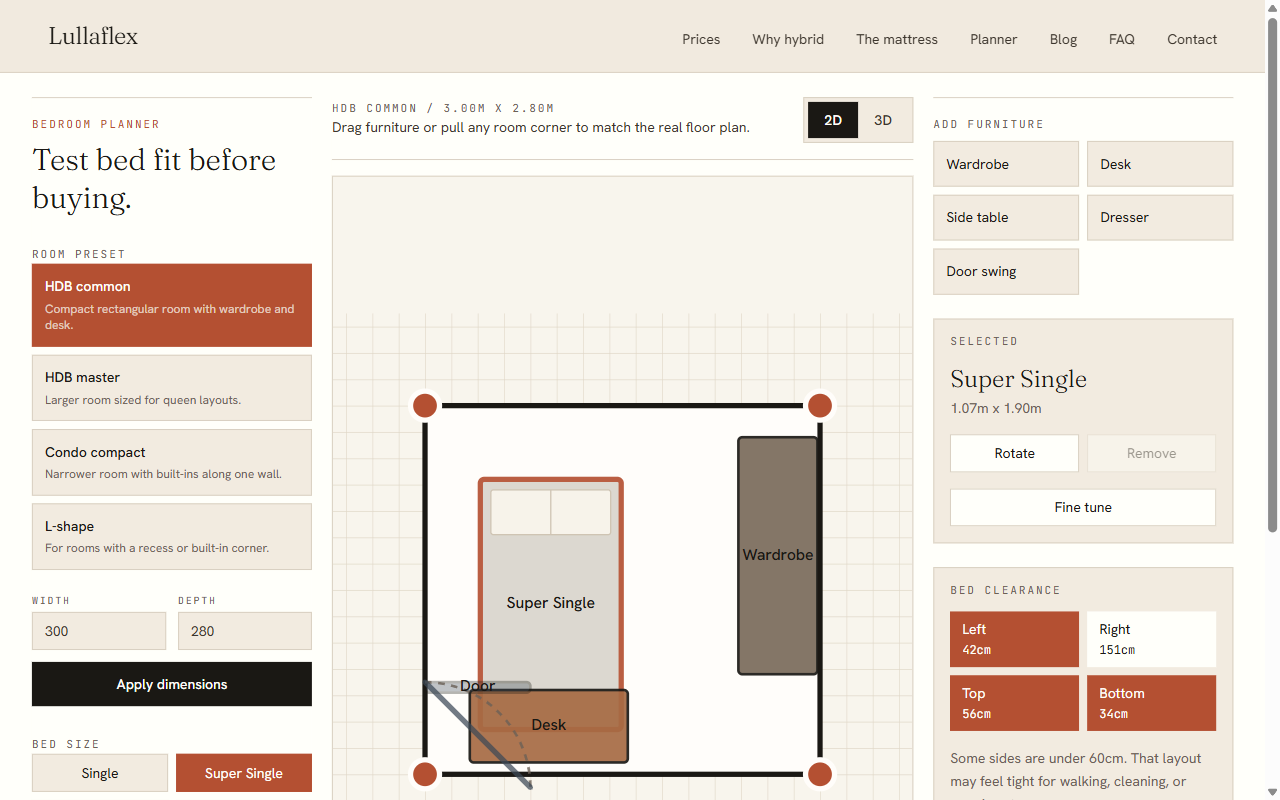
- The next step was a useful bedroom layout planner designed to earn attention and links beyond ordinary articles.
Lullaflex is a new mattress site in a crowded category, launched in late May 2026 on a domain with no links. rankr built it and did the technical work described here. Technical SEO got its pages into Google, which showed them 20.8 thousand times in the 3 months to late September, and monthly clicks from Google grew from 1 in June to 64 in September. ChatGPT named it under "Best for Singapore" 2 months after the build started. This case study covers what the technical work did and what earned the attention after it. The full case study has the screenshots.
Why test SEO on a new mattress site?
Mattresses are a crowded category with established brands, advertising budgets and mature backlink profiles. A new domain starts with no authority advantage, which makes it useful for separating technical eligibility from the harder work of earning trust and demand.
What technical SEO work was done on Lullaflex?
The rollout covered keyword and content gaps, clean title tags, one clear H1 per page, LocalBusiness schema, an XML sitemap, Open Graph tags and crawlable page content. On rankr's free technical SEO checker, Lullaflex scored near the top of the rubric.
Is technical SEO enough to rank a new site?
It gets a new site into Google. The technical work made Lullaflex crawlable and eligible to rank, and the authority that decides how high a page ranks is earned separately.
Strong on-page implementation can remove technical blockers, but it cannot manufacture links, mentions, demand or trust.
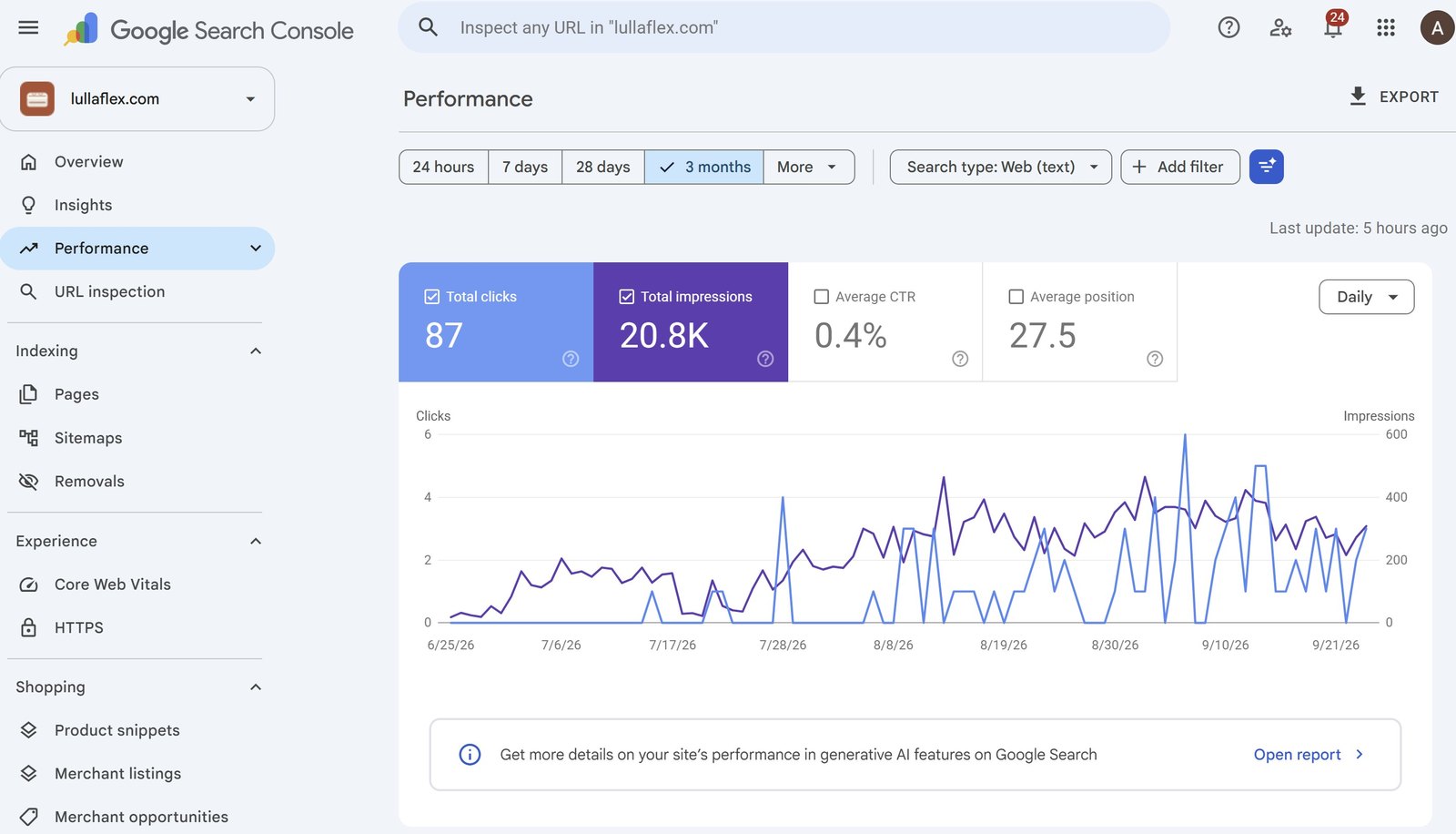
Search Console for the site over the 3 months to late September 2026: 20.8 thousand impressions and 87 clicks. Monthly clicks grew from 1 in June to 7 in July, 29 in August and 64 in September.
Authority is what ranks you. It comes from other sites linking to you and mentioning you, and a brand-new domain starts with none of that, so it takes time.
How does a new site earn links and authority?
By building something useful enough that people share it and link to it. Lullaflex now has a free bedroom layout planner, where you plan your room before you spend on furniture. A useful tool gets shared, bookmarked, and linked to in a way a blog post about mattresses never will. For a new domain with no authority, earning attention is the only path that compounds.
What does the Lullaflex case study mean for a Singapore SME?
Four practical lessons:
- Get the technical basics right, and treat them as the starting point.
- A new site's bottleneck is authority, and that is earned on other people's sites.
- A free, useful tool earns links better than any amount of content.
- Google rankings are slow, often months. Getting cited by AI answers can be faster, once you're indexed in Bing and answering real questions clearly.
Frequently asked questions
Why use a new site for an SEO case study?
A new site makes the authority constraint visible. It shows which technical and content changes improve eligibility, while exposing the links, mentions and demand those changes cannot create on their own.
Does good technical SEO make you rank?
No. It makes you eligible. Clean titles, schema, a sitemap and fast pages get you into the race, but rankings are decided by authority, the links and mentions you earn from other sites. Technical hygiene is necessary and nowhere near sufficient.
What's the fastest win for a brand-new site?
Get indexed in Bing, which ChatGPT's search draws on, claim your Google Business Profile, and build something useful that earns links on its own. Chasing competitive keywords from a zero-authority domain is the slowest path there is.
We post findings like this on LinkedIn. Follow rankrHQ


Want this done on your site? You work with the founders, Abhishek and Abel. Get a free SEO audit or see pricing.