SEO Malaysia for Small Businesses: What to Prioritise in 2026
Malaysian SEO is multilingual, mobile-heavy and increasingly shaped by AI answers. Here is what an SME should prioritise before paying for more articles or backlinks.
In short
- Build English and Bahasa Melayu pages around actual customer language rather than translating one keyword list word for word.
- Match the page type to intent: service pages for buyers, guides for questions, tools for tasks and case studies for proof.
- Use Search Console, Analytics and lead tracking to judge results; rankings and content volume alone are not business outcomes.
The short answer
SEO for a Malaysian small business should start with three decisions: who the customer is, which language they search in, and what job the page must complete. A Kuala Lumpur B2B buyer may search in English. A nationwide consumer audience may use Bahasa Melayu, English or mixed-language phrases. One translated keyword list will miss part of that demand. rankr works with Malaysian businesses remotely from Singapore, starting with those three decisions.
The practical order is:
- fix crawlability, indexing and mobile usability;
- make the service and product pages complete;
- align Google Business Profile and local information;
- build useful guides, tools and evidence around customer questions;
- promote the useful assets and earn relevant mentions;
- measure queries, pages, leads and revenue over consistent periods.
Malaysia is not one-language search market
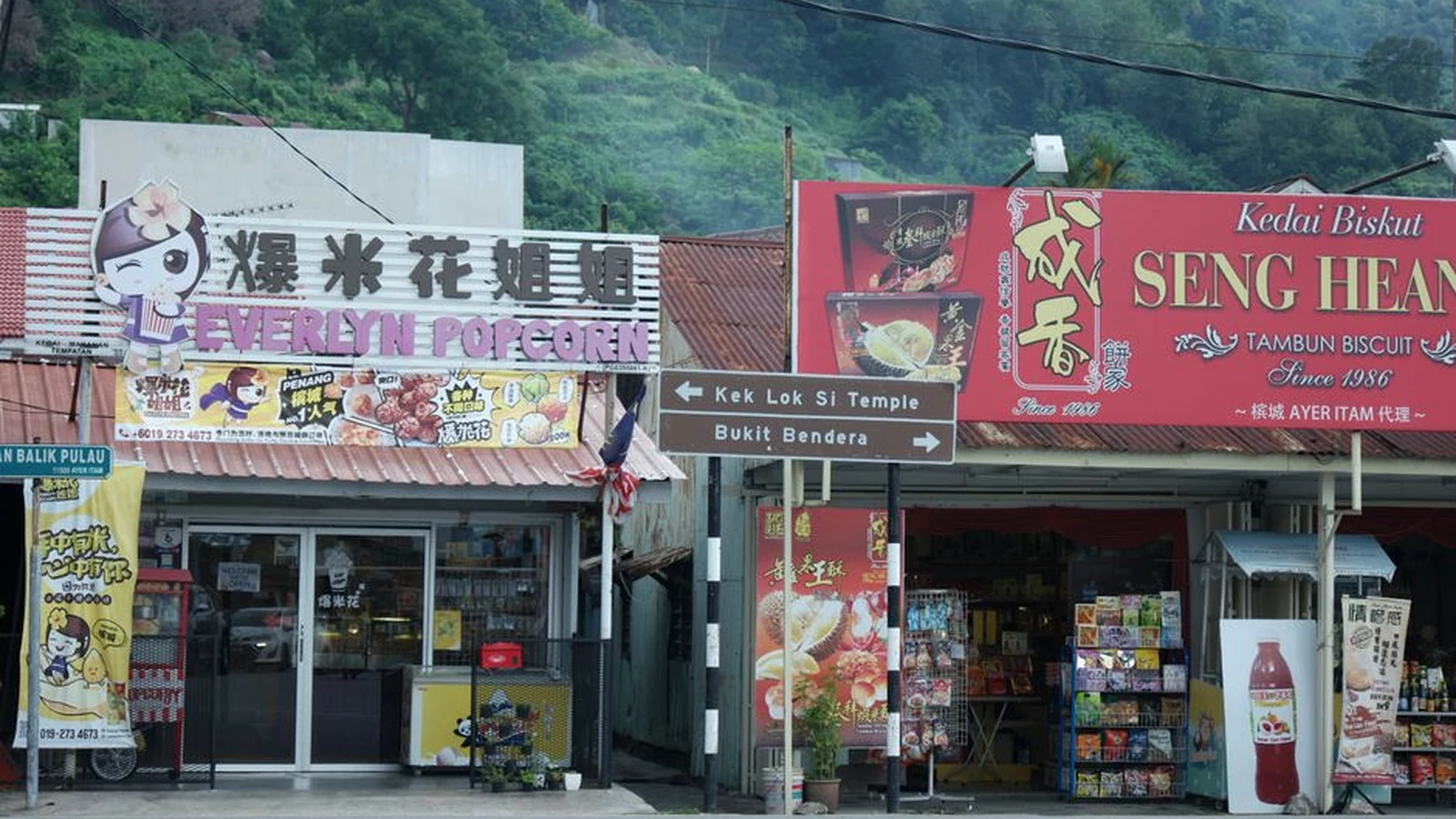
Malaysia is multilingual. English is common for B2B, professional and technical searches. Bahasa Melayu matters for local services, consumer questions and nationwide reach. Our guide to SEO in Bahasa Melayu is written in Malay for that audience. Mandarin and Tamil may matter for particular audiences. Mixed-language searches are normal.
Do not assume the Malay keyword is a literal translation of the English keyword. Collect language from:
- sales calls and WhatsApp conversations;
- Google reviews;
- Search Console queries;
- marketplace and social comments;
- competitor titles and customer FAQs;
- Google autocomplete and related questions.
Build a page only when the business can serve that language after the click. A Bahasa Melayu landing page followed by an English-only sales process creates friction rather than trust.
Choose the page type before the keyword
A common Malaysian SME mistake is making every keyword a blog article.
| Search intent | Better page | Example |
|---|---|---|
| Ready to hire | Service page | SEO services Malaysia |
| Comparing providers or costs | Commercial guide | SEO price Malaysia |
| Solving a problem | Informational article | why website not showing on Google |
| Completing a task | Tool or calculator | SEO audit tool |
| Looking for local options | Location/service page | SEO consultant Kuala Lumpur |
| Checking whether a method worked | Case study | Malaysia SEO case study |
This is not a Google rule. It is a user-intent rule. The page should complete the job the query implies.
What a Malaysian SEO service page should include
A buyer page needs more than a promise to rank. It should explain:
- the first-month deliverables;
- target markets and languages;
- technical, content and local work included;
- who writes and reviews the content;
- link and promotion policy;
- reporting access;
- contract length and cancellation terms;
- realistic evaluation period;
- what cannot be guaranteed.
Malaysian agency pricing guides commonly publish ranges from roughly RM1,500 to RM3,000 per month for standard SME work, with broader campaigns moving higher. These are agency-published benchmarks, not an official market rate. Compare the scope rather than assuming two RM2,000 packages contain the same work.
Ask whether the fee covers:
- one location or several;
- English only or multilingual research and writing;
- Google Business Profile and reviews;
- technical implementation or an audit only;
- content writing and approval;
- link outreach or paid placements;
- conversion tracking;
- reporting and client-owned access.
Local SEO for Malaysian SMEs
A local business should keep the same name, address, phone, hours, services and website across its site and Google Business Profile. Choose the correct primary category, add real service details, publish current photos and collect reviews without incentives that violate platform policy.
Location pages should exist only when they help a real customer. A page for Johor Bahru can cover service areas, travel or delivery constraints, local pricing, neighbourhoods, regulations, customer examples and relevant competitors. Copying a Kuala Lumpur page and changing the city name creates a doorway-page risk.
If the business has no local office, do not invent one. Explain the remote service area honestly.
Bilingual site structure
If English and Bahasa Melayu pages are equivalent, give each a separate URL and connect them with hreflang. For example:
/my/services/seo/ms-my/servis/seo
Use en-MY and ms-MY when the pages are Malaysia-specific. Link between versions visibly and do not redirect users automatically based only on IP.
A Malay version should be reviewed by someone who understands local usage. Translating the interface while leaving the main article in English is not localisation.
Content that earns attention instead of filling a calendar
A small business does not need four generic posts a week. It needs pages with a reason to exist. Useful assets include:
- a calculator based on local prices or rules;
- a comparison with a disclosed method;
- original survey or customer data;
- a checklist tied to a real process;
- before-and-after case study with dates and limits;
- local regulatory explanation reviewed by a qualified person;
- downloadable template;
- product or service page with complete pricing, exclusions and FAQs.
Google asks whether a page adds substantial value compared with the current results. Rewriting the first three articles into a fourth is not that value.
AI Overview and ChatGPT visibility
Google says AI Overviews require no special files, schema or separate optimisation. The page must be crawlable, indexed, snippet-eligible and useful. Standard SEO still applies.
For AI answers, make the important information visible as text:
- direct answer near the relevant heading;
- checkable numbers and definitions;
- clear tables;
- sources;
- dates where freshness matters;
- distinction between fact, opinion and product claim;
- accurate business information;
- original evidence.
FAQ content is useful when it answers real customer questions. FAQ schema is not an AI Overview switch. Google retired FAQ rich results in May 2026.
Backlinks and creator mentions
A new domain is not penalised simply for receiving legitimate links. The risk comes from links built mainly to manipulate rankings: paid links that pass credit, automated links, excessive exchanges and low-quality directories.
Creator content can still be useful. It can drive referrals, branded searches, customer trust and editorial discovery. If the creator is paid and includes a link, the link should use sponsored or nofollow. Treat the campaign as distribution, not a guaranteed ranking boost.
What to measure
Search Console should remain the Google baseline:
- relevant impressions;
- clicks and CTR;
- query movement;
- pages gaining or losing visibility;
- country and device;
- indexed pages and crawl problems.
Use Analytics and CRM data for enquiries, sales and revenue. A page-one ranking with no relevant leads is not a successful campaign.
For AI answers, use a small fixed question set and track observed mentions, supporting links, cited pages, competitors and factual errors. Label these as custom directional metrics. Google does not provide a separate AI Overview share-of-voice report.
A practical 90-day plan
Days 1 to 30
- connect Search Console and Analytics;
- crawl the site;
- fix indexing, canonical, mobile and page-speed blockers;
- map buyer queries to existing pages;
- finish the highest-value service and product pages;
- clean Google Business Profile information.
Days 31 to 60
- publish or improve the pages for the strongest gaps;
- add Bahasa Melayu pages only where there is real demand and review capacity;
- connect guides, service pages and tools with internal links;
- create one original asset worth promoting.
Days 61 to 90
- promote the useful asset to relevant communities and publications;
- compare query/page cohorts against the previous period;
- improve pages gaining impressions;
- consolidate pages competing for the same intent;
- report qualified leads and conversions, not article count.
Sources
- Google SEO Starter Guide
- Google helpful content guidance
- Google AI features guidance
- Google doorway abuse policy
- Malaysia DOSM: ICT and e-commerce by establishment
- Google Malaysia Gemini report
Frequently asked questions
How much does SEO cost in Malaysia?
Agency-published guides commonly place standard SME work around RM1,500 to RM3,000 monthly, but scope varies widely. Compare deliverables, languages, locations, implementation and reporting access.
Should a Malaysian website use English or Bahasa Melayu?
Use the language your customers search and buy in. Many businesses need both, with separate researched pages rather than direct machine translation.
Does a Malaysia business need a .my domain?
No. A .my domain is one country signal, but a clear Malaysia section on a generic domain can work with correct localisation, hreflang, currency, language and local evidence.
Can a Singapore SEO agency serve Malaysia remotely?
Yes, if it states the remote arrangement honestly and has Malaysian query research, language review and market-specific implementation. It should not imply a Malaysian office it does not have.
How long should an SME wait for SEO results?
Google says changes can take weeks or months. Use a 90-day evaluation horizon for directional progress while reporting monthly work and leading indicators.
We post findings like this on LinkedIn. Follow rankrHQ


Want this done on your site? You work with the founders, Abhishek and Abel. Get a free SEO audit or see pricing.